Balloon Dog SVG: An Embroidery Designer's Field Test
Let me start by saying I spend a lot of time browsing digital files as potential embroidery projects. I run a small shop making custom apparel and boutique gifts, so I am always on the lookout for Graphics that bridge the gap between a crisp digital look and a durable stitched product. When I came across the Balloon Dog SVG, I immediately started thinking about how it would translate into thread. The Crafts category is a natural landing spot for it, but how does it actually hold up when it leaves the screen and hits the sewing machine?
The Look and Mood of the Design
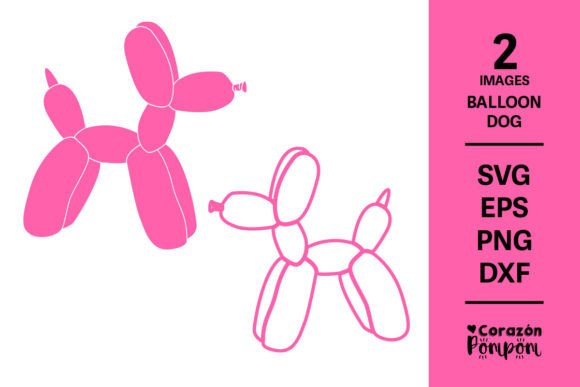
This design carries a very specific weight of nostalgia. It is a classic balloon animal shape—playful, whimsical, and universally recognized. In its raw SVG form, the lines are clean and minimal. For a designer, this is a double-edged sword. Minimal vectors digitize beautifully into thick satin stitches or layered applique, but they can also look clumsy if the line thickness is not properly translated into an embroidery file. The personality of the Balloon Dog SVG is perfect for children’s items, pet lover gifts, or retro-themed merchandise. It has an immediate emotional hook for buyers scrolling through an Etsy shop or a craft fair table.
Real Case Scenario: The Birthday Tote Bag
I decided to test this design concept for a real order: a custom embroidered tote bag for a child’s birthday party favor. The client wanted something bright, durable, and fun. Here is my honest process.
- Applique vs. Fill Stitch: Because the original is a vector, it lends itself naturally to an applique design. I used the SVG as a template to cut fabric pieces and set up a satin stitch border. This is where the design shines. The distinct sections of the dog (head, ears, body, knot) make color blocking very easy and prevent the project from feeling flat.
- Digitizing Considerations: I had to manually check the stitch density. Converting a thin SVG line directly into a digitized column can result in a width that looks either spindly or far too bulky. I adjusted the widths to ensure the details of the snout and the tail remained distinct.
- The Result: The final tote bag had a clean, studio-quality look. The applique fabric gave it a soft, dimensional feel that a simple vinyl cut (which is the file's intended purpose) could not match. The layers popped perfectly against the canvas ground fabric.
Custom Apparel and Sweatshirt Embroidery
This is a fantastic design for a unisex sweatshirt. The silhouette works perfectly for a left chest placement or a centered back design. Because the dog is balanced, it doesn't look lopsided on a garment. If you are digitizing it as a fill stitch design, keep an eye on your thread choices. A shiny polyester thread mimics the glossy look of a real balloon beautifully and adds a premium feel to the handmade product. The clean outlines also make it an excellent candidate for a running stitch line drawing if you prefer a delicate, sketched look rather than a heavy fill.
Baby Embroidery and Nursery Decor
For baby embroidery, this design is a knockout. It is cute without being overly complex or visually noisy. I stitched a smaller version onto a burp cloth and a larger version for a pillow cover. The simple shapes naturally create a lower stitch count relative to the size (depending on your digitizing settings), which means it sews out quickly and keeps the fabric soft. This efficiency is crucial for an Etsy seller trying to maximize production without sacrificing quality.
Embroidered Patches and Boutique Gifts
If you are a small shop product maker, the aesthetic of the Balloon Dog SVG makes for an excellent embroidered patch. The shape is compact and easy to trim around for a patch border. A standard merrow edge around this design would look incredibly sharp on a denim jacket or canvas backpack. It also works well on kitchen towels for a playful touch, though I recommend using a durable thread and a dense tatami fill if the towel will see heavy washing.
Potential Pitfalls (and How to Avoid Them)
I want to be very practical here. No design is perfect straight out of the digital box, especially when jumping from a cutting file to a machine embroidery design.
- Small Hoop Sizes: The biggest risk with this Graphics file is shrinking it too much. While the SVG is vector-based and scales infinitely for a Cricut or Silhouette, machine embroidery design has physical limits. If you force the dog into a 4x4 hoop, the thin legs and twisted tail might lose their shape and look like lumps of thread. Important advice: Always test the minimum size on scrap fabric before committing to a product.
- Fabric Texture and Curved Surfaces: On very stretchy fabric (like a ribbed knit t-shirt), a dense fill stitch from this design can pucker. You will need a good cutaway stabilizer. Personally, I found it performs best on stable woven fabrics like canvas, twill, or denim. For curved surfaces like a cap or a beanie, the long body of the dog needs to be scaled carefully to fit the curve without distorting.
- Dark Fabric: Because the dog is often visualized as a solid silhouette, stitching it on dark fabric with a dark thread makes it disappear. Consider using a bright, opaque white or neon thread for contrast, or cut an applique base from a light-colored fabric to create the silhouette.
- Design Integrity and Licensing: The original Balloon Dog SVG is a cutting file. My review is based on converting this aesthetic. The personality of the design is five stars, but the technical conversion requires a strong understanding of digitizing principles. Furthermore, the product description states "Hello and welcome A few little things to note." I cannot stress enough how important it is to check the specific license that came with your purchase. Does it expressly allow commercial embroidery on finished products? This is a critical step for any creative entrepreneur and small business owner.
Product Value and Customer Trust
From a business perspective, this design sells itself. It has high recognition. Customers see a balloon dog and instantly feel joy or nostalgia. That translates directly to clicks and sales for an apparel decorator. Using a clean, recognizable design like this builds brand consistency. When I put it on a handmade product, it looks intentional, not makeshift. The clear silhouette is also a dream for photography. It makes listing photos and printable mockups look clean and professional. A personalized gift featuring this design feels like a premium keepsake, not a hasty craft project.
Practical Embroidery Designer Notes
Before you use this in a project or sell a finished item, here is my standard checklist:
- Test First: Always stitch it on scrap fabric matching your final product. Check the hoop size and confirm the design doesn't distort the fabric grain.
- Thread Contrast: Pull a color palette from the SVG. A classic rainbow balloon dog is a perennial bestseller, but a single-color metallic gold or silver thread is fantastic for a sophisticated look.
- Stabilizer Choice: Use a no-show mesh cutaway for garments to stabilize the stitches long-term. Use a tearaway for stable woven items like tote bags.
- Review Your Mockups: Use the SVG to create a clean printable mockup of your finished product. Showing the design on a shirt or bag helps customers visualize the embroidery project before they buy.
- Check Your Library: Since this is a digital cutting file, ensure you have a solid digitizing program that handles vector imports well. The cleaner the SVG import, the less time you spend cleaning up nodes for your applique design.
Final Verdict for Makers and Shop Owners
The Balloon Dog SVG offers a fantastic foundation for a wide variety of Crafts and apparel. As a design asset, it provides clarity and charm. The real work comes in the digitizing phase. I rate it highly for its potential in custom apparel, baby embroidery, and boutique merchandise. It is a strong, sellable concept that, with careful technical execution, will become a staple in your product line. Just remember to respect the physical rules of embroidery—stitch density, fabric texture, and stabilizer—to make the stitched result as crisp as the digital vector file you started with.