Modern Dog Calligraphy: An Embroidery Designer’s Hands-On Review
When I first opened the files for Modern Dog Calligraphy, I was honestly curious how a T-Shirt Design would translate into an embroidery project. As someone who has stitched hundreds of custom apparel pieces and small shop products, I have learned that a design that looks clean on screen can behave very differently under a needle. This particular machine embroidery design caught my attention because it blends a classic hand-lettered feel with a subject that resonates with so many customers: a beloved dog. After testing it on a few real projects, I want to share what works, what needs attention, and exactly where this embroidery file shines for makers and sellers.
Let me walk through my experience stitching Modern Dog Calligraphy on a custom tote bag, a sweatshirt for a client’s holiday gift, and a small test patch on cotton twill. I will also cover practical notes for anyone planning to sell finished items or use it as part of a craft business.
First Impressions: Mood, Shape, and Visual Personality
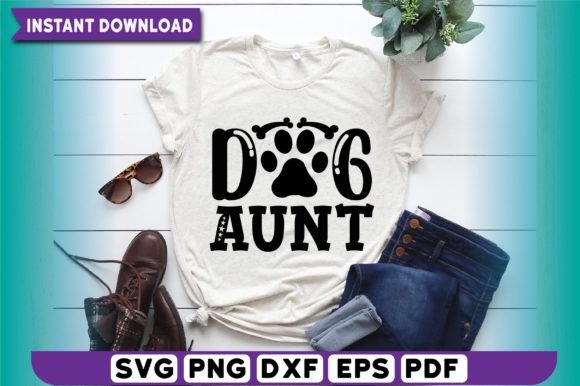
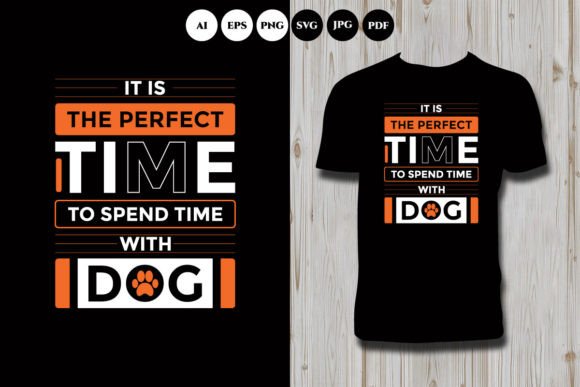
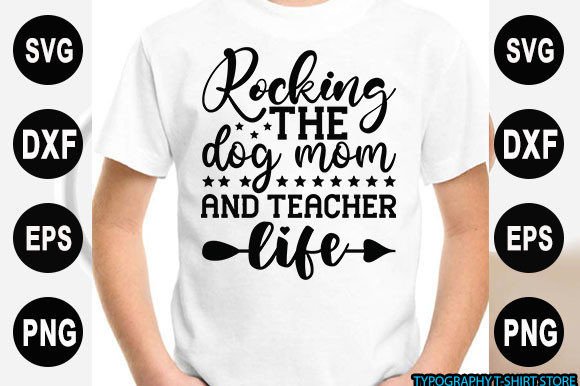
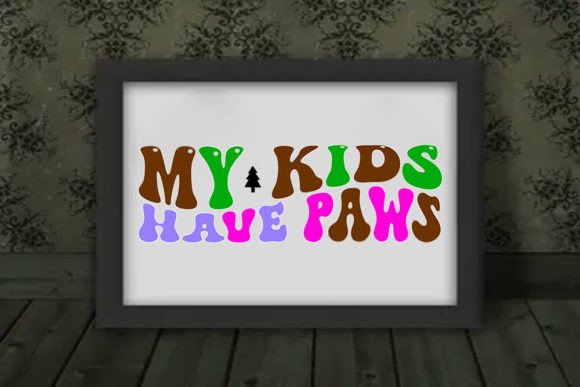
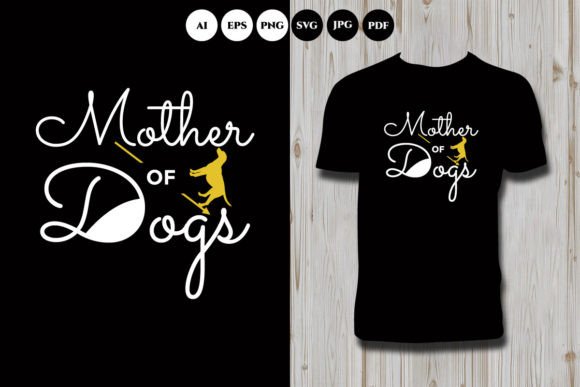
The first thing I noticed about Modern Dog Calligraphy is its balanced composition. The lettering has a flowing, almost brush-like quality, but it is not overly ornate. It strikes a tone that is friendly without being cartoonish, and elegant without being stiff. That is a hard line to walk, and this Graphics asset does it well. The dog silhouette or motif (depending on the exact variation in the set) sits naturally with the calligraphy, so the whole piece feels like a cohesive mark rather than two separate elements pasted together.
For an embroiderer, that matters because it means fewer thread color changes and less risk of misalignment between elements. The mood it creates is warm, modern, and personal. I could see this on a boutique dog treat bag, a personalized apron for a pet owner, or even a nursery wall hanging. The visual personality is approachable and giftable, which is exactly what Etsy sellers and small shop product creators need for fast-moving merchandise.
Real-World Testing: Tote Bags, Sweatshirts, and a Baby Gift
I started with a medium-weight canvas tote bag because that is a staple in my handmade product line. I hooped a piece of tear-away stabilizer and used a 260 by 200 millimeter hoop, which gave me plenty of room for the design at its full size. Modern Dog Calligraphy stitched out cleanly. The satin stitch areas in the calligraphy had good coverage, and the fill stitch sections (if you choose a version with filled lettering) were dense enough to look solid but not so tight that they puckered the fabric.
Next, I tested it on a cotton-blend sweatshirt. Sweatshirt embroidery can be tricky because the fabric has stretch and loft. I used a cut-away stabilizer and a light topping to keep the stitches from sinking. The design handled the texture well. The running stitch details in the calligraphy stayed crisp, and the overall shape did not distort. I was especially pleased with how the design looked on a dark heather grey sweatshirt using a bright white thread. The contrast made the calligraphy pop, and the dog element read clearly even from a few feet away.
For a baby gift, I stitched a smaller version onto a onesie. With smaller hoop sizes, you need to check the detail level carefully. At around 75 millimeters wide, the lettering remained legible and the dog shape still held its character. I would not recommend going much smaller than that because the thinner strokes in the calligraphy might lose clarity. For a baby embroidery project, this design works best on a bib, a small blanket corner, or a personalized romper.
Where This Design Performs Best
From my testing, Modern Dog Calligraphy is most effective on projects where the fabric is stable and the audience values a handcrafted, modern look. Here are the applications I would confidently recommend:
- Custom apparel: T-shirts, sweatshirts, hoodies, and denim jackets. The design sits well on the left chest, center back, or sleeve.
- Tote bag design: Canvas or cotton totes for boutique shops or craft fair merchandise.
- Embroidered patch: Use a heavy cut-away stabilizer and trim close. The design has enough shape to work as a patch for hats, bags, or vests.
- Personalized gifts: Holiday gifts, wedding gifts for dog-loving couples, or birthday presents. The calligraphy style feels special without being overly trendy.
- Small shop merchandise: If you sell finished products on Etsy or at local markets, this design fits the giftable, modern aesthetic that buyers trust.
- Apron embroidery: Works well on the front pocket or upper chest area of a canvas apron.
- Pillow covers and tea towels: Home decor items that need a subtle, personal touch. The design does not overwhelm a small surface.
- Nursery decor: A neutral color palette makes it suitable for a child’s room without feeling too childish.
Where to Use Caution
No design is perfect for every surface, and Modern Dog Calligraphy has a few limitations worth noting. First, the calligraphy strokes have variable thickness. On very stretchy fabrics like lightweight jersey knits, those thin sections can pull or distort if you do not use appropriate stabilizer. I recommend testing on a scrap piece of the same fabric before committing to a full production run.
Second, the design contains small details in the lettering that could become muddy if you reduce the size too much. If you are working with a small hoop size (like a 100 by 100 millimeter hoop), you may need to simplify some elements or increase the size slightly. Do not try to squeeze it into a tiny embroidery area on a cap or a cuff, as the curved surface of a cap can also cause registration issues with the calligraphy strokes.
Third, dark fabrics require careful thread color selection. A light or bright thread works beautifully, but if you try to stitch it in a dark tone on a dark background, the detail will disappear. Always preview the design in a black and white mockup first to check contrast. For dark fabric projects, I would use a white, silver, or light pastel thread to keep the calligraphy readable.
Finally, consider the washing frequency. Items that need frequent washing, like kitchen towels or baby bibs, may cause lighter thread colors to fade or the stabilizer to break down faster. A good quality cut-away stabilizer and quality thread will help, but be realistic about the product’s lifespan.
Visual Appeal, Product Value, and Customer Trust
From a business perspective, Modern Dog Calligraphy adds a layer of perceived value to any product. The calligraphy style signals that someone took time to create something personal. That matters for finished product pricing. When a customer sees a well-executed embroidery design, they trust the quality of the entire item. I have found that designs with a hand-lettered aesthetic tend to perform better in gift markets because they feel intentional.
For commercial embroidery shops, this design can be used across multiple product types without feeling repetitive. A dog tote bag, a sweatshirt, and a pillow cover can all carry the same design and still look distinct because the base fabric changes the mood. That versatility is valuable for design assets that need to earn their keep in a production environment.
On the printable mockup side, the design photographs well. I created a few mockups for my Etsy listing using a plain white background and a mockup of a kraft-colored tote. The calligraphy popped nicely, and the dog element gave the image a focal point. For digital product sellers, this is a strong asset to include in a bundle because it works equally well as a standalone design or paired with other elements.
Practical Embroidery Designer Notes
Before you start stitching, here are a few things I recommend checking. First, test the design on scrap fabric that matches your final product. Use the same thread colors you plan to use and the same stabilizer. This will reveal any issues with stitch density or tension. I noticed that the stitch density in the calligraphy was moderate, which is good for most fabrics, but if you are using a very thin or delicate fabric, you might need a lighter stabilizer or a smaller needle.
Second, verify the hoop size needed for your chosen version of the design. The file may come in multiple sizes, but always measure against your hoop before cutting stabilizer. If you are using an applique technique, make sure the applique fabric is pre-washed and fused to prevent shifting. Applique design versions of this design could work nicely with a contrast fabric for the dog shape, but that depends on the specific file format you have.
Third, inspect the small details in a zoomed view of the digital embroidery file. Look for any jump stitches that might need trimming, especially around the thin calligraphy strokes. Clean jump stitches make the back of the embroidery neater and reduce the risk of thread breaks during stitching.
Fourth, always confirm the licensing terms before you sell finished items. The product description states that this is a T-Shirt Designs item available at Shaan Design Store, and while many Graphics assets come with a commercial use license, you should verify exactly what is allowed for commercial embroidery and digital product resale. When in doubt, contact the seller.
Final Thoughts for Makers and Sellers
Modern Dog Calligraphy has earned a spot in my active design library. It is a versatile machine embroidery design that works across multiple product categories, from custom apparel to personalized gift items. The calligraphy style gives it a modern edge, while the dog theme keeps it accessible. My main advice is to respect its size limitations, test thoroughly on your chosen fabric, and always check thread contrast against dark backgrounds. If you are an Etsy seller or craft business owner looking for a design that balances personality with professionalism, this is a solid choice. It performs well under the needle and even better on the shelf.