Busy Being Dog Mom: A Design Review from the Hoop
When I first opened the Busy Being Dog Mom design files, I was immediately struck by how this piece manages to walk the line between playful declaration and wearable art. As someone who has digitized, stitched, and sold thousands of embroidery projects over the years, I know that a design like this one lives or dies by how it handles real production conditions. It is a phrase that will resonate with a huge audience, but the question is always the same: will it stitch cleanly, will it hold up after washing, and will it actually make customers feel proud to wear or gift it? After working through a sample project and thinking through multiple use cases, I have a clear picture of what this design delivers and where it needs a bit of thoughtful handling.
First Impressions and the Mood It Creates
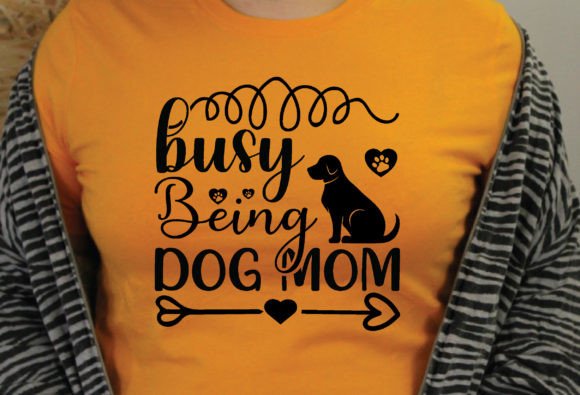
The Busy Being Dog Mom design has a friendly, confident, and slightly cheeky personality. It speaks directly to a lifestyle that many people embrace with pride. The layout feels balanced without being stiff, and the lettering strikes a nice balance between bold readability and a hand-drawn warmth that feels personal rather than corporate. This is not a generic script thrown onto a shirt; it has a crafted look that suggests someone took the time to make the words feel like they belong together. The overall mood is lighthearted yet grounded, which makes it work for both casual everyday wear and more intentional gift items. For a small shop owner or Etsy seller, that kind of versatility is gold.
A Real Project: The Custom Tote Bag Test
To give this design a fair evaluation, I decided to stitch it onto a medium-weight canvas tote bag. Tote bags are a staple in the handmade product world, and they present a few specific challenges for any machine embroidery design. The fabric has some texture, it is not stretchy, and the bag often has a front pocket or seam that can interfere with hooping. I wanted to see how Busy Being Dog Mom handled these conditions.
I hooped a piece of cutaway stabilizer and floated the tote bag on top, using temporary adhesive spray to keep everything in place. The design stitched out without any major issues. The satin stitch elements in the lettering had a clean edge, and the fill stitch areas were dense enough to look solid but not so thick that they puckered the canvas. The thread path made sense, and there were no unnecessary trims that would slow down production. By the time the last needle pull was done, I had a finished piece that looked like it belonged in a boutique, not a hobby bin. The phrase sat well on the bag, and the proportions felt natural for a 5x7 hoop size.
Performance Across Different Product Types
One of the strengths of this design is its adaptability to different blanks. It works naturally on custom apparel like sweatshirts and t-shirts, where the casual tone of the phrase matches the relaxed feel of the garment. I can see it selling well on baby embroidery items, especially onesies or toddler tees for dog-loving moms, as long as the hoop size is appropriate for the smaller garment. The design also looks strong on embroidered patches if you want to offer a sew-on or iron-on option for customers who want to add it to jackets, backpacks, or even dog leashes.
For holiday embroidery projects, this could easily become a seasonal favorite when paired with festive thread colors like deep red, forest green, or gold. It also works well on pillow covers and tea towels for home decor, though I would recommend testing the stitch density on lighter-weight fabrics to avoid show-through. In terms of commercial embroidery use, the design is efficient enough to run in small batches without wasting time on excessive color changes or complex underlay.
Where to Use This Design with Care
No design is perfect for every surface, and Busy Being Dog Mom has a few considerations that any smart embroiderer should keep in mind. If you are working with a small hoop size like 4x4, you may need to scale the design down, and that can affect the readability of the lettering. I would recommend testing a scaled version on scrap fabric before committing to a final product.
On stretchy fabric like performance knit or ribbed tees, the design needs a good stabilizer to prevent the satin stitch from pulling the fabric out of shape. A medium-weight cutaway stabilizer is usually enough, but for very stretchy blanks, I would add a layer of tear-away on top. On dark fabric, the design relies on thread contrast rather than dense coverage, so choose your thread colors carefully. White or bright thread on black fabric will pop, but a dark thread on a dark background will make the phrase disappear. Always test your thread colors against the actual fabric before running a batch.
If you are stitching onto a curved surface like a cap or a beanie, the design may need to be adjusted or hooped differently. The horizontal layout of the phrase works best on flat or gently curved surfaces, so I would avoid putting it on the front of a structured cap unless you are using a cap frame and have tested the placement. The same caution applies to layered garments with pockets, zippers, or thick seams near the embroidery area.
Visual Appeal, Customer Trust, and Giftability
When a customer buys a handmade product with this design, they are buying more than just a shirt or a bag. They are buying a statement that reflects their identity. The clean stitching and clear lettering of Busy Being Dog Mom build customer trust because the finished product looks professional and intentional. It does not have that "something looks off" feeling that can come from a poorly digitized design. The visual appeal is strong enough to justify a higher price point, especially when used on a quality blank like a tri-blend sweatshirt or a structured tote.
For giftability, this design is a natural winner. Dog moms love receiving items that acknowledge their role, and the phrase is specific enough to feel personal but broad enough to fit many recipients. Whether it is a birthday gift, a holiday present, or a just-because surprise, the finished product feels like a thoughtful choice. In a craft business context, this design can help you build a consistent brand voice if you specialize in pet-themed or lifestyle embroidery. It also works well in printable mockups for your Etsy listing or small shop product photos, which helps customers visualize the final item before they buy.
Practical Embroidery Designer Notes
Here are the notes I always share with my students and fellow embroiderers when they ask about using a design like this for real projects.
- Test on scrap fabric first. Run a sample on a piece of fabric that matches your final blank. Check the stitch density, the satin stitch edges, and the overall tension. This is the only way to catch problems before they ruin a customer order.
- Check thread color contrast. Hold your thread colors next to the fabric in natural light. If the contrast is too low, the design will look muddy. If it is too high, it may feel harsh. Find a balance that makes the phrase readable without shouting.
- Review stitch density carefully. If the design feels too dense, it can cause puckering on lightweight fabrics. If it is too open, the design may look unfinished. Adjust the density in your software if needed, or test a different stabilizer combination.
- Confirm hoop size before cutting fabric. Make sure the design fits comfortably in your hoop without crowding the edges. Leave at least half an inch of clearance on all sides for proper stabilizer adhesion.
- Inspect small details. Look at the design at 200% zoom in your software. Check for tiny gaps, stray nodes, or jump stitches that could cause problems. A clean design file saves time and thread.
- Test in black and white mockups. Convert the design to grayscale in your software to see how the value contrast works. This helps you spot areas where the design might lose definition on different fabric textures.
- Compare light and dark fabric backgrounds. If you plan to offer the design on multiple colors, test it on both a light and a dark blank. You may need to adjust thread colors or add a white underlay for dark fabrics.
- Use proper stabilizer for the fabric type. Cutaway for knits and stretchy fabrics, tear-away for wovens and stable fabrics, and water-soluble for projects where you need a clean back. Do not skip this step.
- Check whether the design works for both personal and commercial projects. The Busy Being Dog Mom files are delivered as a digital embroidery file in a ZIP folder that includes SVG, PNG, EPS, and DXF formats. Before you start selling finished items or design assets, confirm the licensing terms for the design. If you are a small business owner or Etsy seller, make sure you have the right to use the design for commercial embroidery and handmade product sales. If the terms are not clear, contact the designer directly.
- Test the design in a production run. If you plan to sell the finished product, stitch at least three samples in different sizes or colors. This will reveal any issues with thread breaks, tension, or placement that might not show up in a single test.
Final Thoughts on the Design for Real Use
After spending time with Busy Being Dog Mom in the hoop, I can say that this is a solid design for anyone who works with machine embroidery on a regular basis. It is not a gimmicky phrase that will fade in popularity; it speaks to a genuine lifestyle, and it does so with a clean, professional look that holds up under production conditions. Whether you are making a custom embroidered tote bag for a client, adding a sweatshirt embroidery option to your craft business catalog, or creating a personalized gift for a friend, this design will deliver a finished product that feels complete and intentional.
For apparel decorators and creative entrepreneurs, the design fits well within a T-Shirt Designs category and works as Graphics that can be used across multiple mediums. The file formats included in the ZIP give you flexibility for both embroidery and printable mockups, which is a practical advantage when you are building your Etsy listings or design assets. I would recommend this design to any embroidery project maker who wants a reliable, eye-catching phrase that resonates with a loyal audience. Just remember to do your testing, respect your fabric choices, and always confirm your licensing. That is how you turn a good design into a great product.