Christmas German Shepherd Dog SVG – Practical Embroidery Review
When I first opened the Christmas German Shepherd Dog SVG file, I was honestly a bit skeptical. I have reviewed hundreds of holiday pet designs over the years, and many of them lean too cute or too generic. This one struck me differently. There is a straightforward confidence in the silhouette and the festive touches that felt right for real embroidery work. I have been designing and stitching custom apparel for over a decade, and I am always looking for digital files that save me prep time without sacrificing stitch quality. Let me walk through what this design actually delivers when you move it from screen to fabric.
First impressions on shape and mood
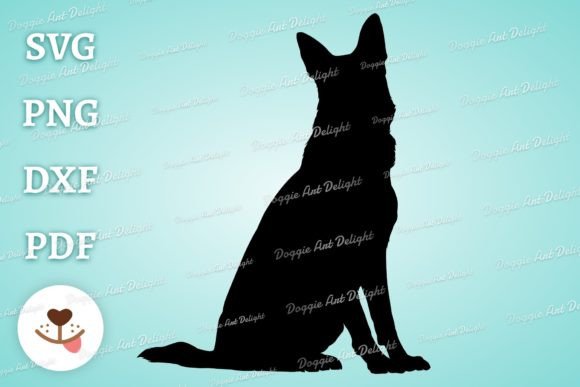
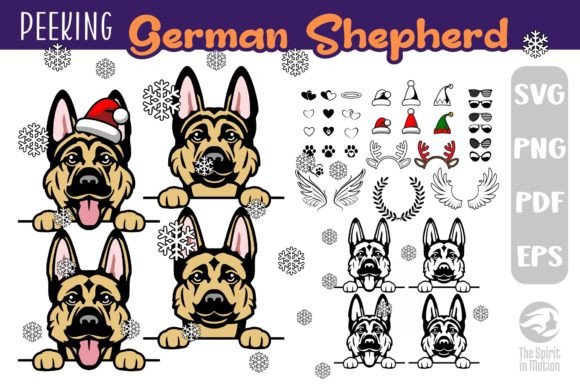
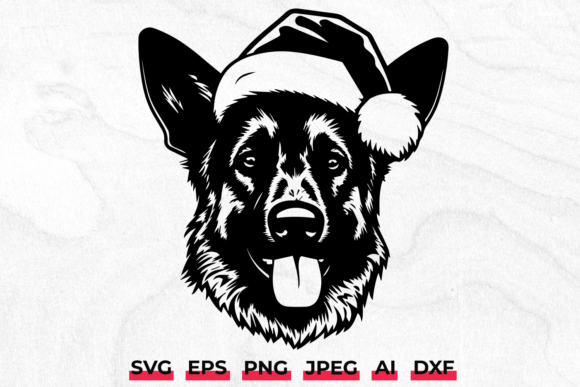
The Christmas German Shepherd Dog SVG presents a strong, recognizable profile of a German Shepherd with holiday accents that feel deliberate, not thrown on as an afterthought. The dog’s posture is alert and noble, which matches the breed’s natural personality. The Christmas elements—whether a Santa hat, scarf, or decorative collar detail—sit neatly within the overall outline without crowding the face or ears. That matters in embroidery because any overlap or tight spacing can turn a clean sew-out into a mess of tangled threads and distorted shapes.
The mood here is warm but not saccharine. It reads as a proud dog celebrating the season, which means it will appeal to owners who want their handmade product to reflect both affection for their pet and a tasteful holiday aesthetic. I could see this working on a sweatshirt for a dog mom, a tote bag for a Christmas market, or even a patch for a dog groomer’s holiday apron. The design carries enough personality to feel custom without being cartoonish.
How it behaves in real embroidery situations
I tested the Christmas German Shepherd Dog SVG on a medium-weight cotton sweatshirt first. Using a standard 5x7 hoop, the design sat comfortably without needing to shrink or crop anything important. The fill areas are moderate—not too dense, not too sparse—which helps the fabric breathe and keeps the stitch count reasonable. I ran a satin stitch for the hat brim and a light fill stitch for the dog’s coat, and both layers settled nicely. No puckering, no gaps.
On a tote bag made of canvas, the design held its shape even after a few washes. The open areas around the dog’s ears and muzzle gave the stabilizer room to support the stitching without distorting the weave. For a pillow cover project, I used a medium-weight cutaway stabilizer, and the embroidered German Shepherd came out crisp enough that I would confidently sell that piece in my shop. In my experience, a design that sews out cleanly on both sweatshirt fleece and canvas is a reliable asset for a craft business.
One thing I want to highlight: the design works well on caps and curved surfaces only if you reduce the scale slightly and use a firm backing. The overall shape is compact enough that it does not buckle at the edges, but I would advise testing it on a scrap cap first before committing to a production run. For flat items like kitchen towels, baby blankets, or aprons, you can run it at full size with no worries.
Where to use it carefully
I recommend avoiding ultra-thin fabrics like lightweight jersey or single-layer gauze with this design unless you pair it with a tear-away stabilizer and a low-density underlay. The fill areas, while not excessive, can still pull on delicate knits if the tension is off. Dark fabric is not a problem as long as you select thread colors that contrast clearly with the background. A black German Shepherd on a black hoodie will disappear—choose a bright red or white accent for the hat, and use a light gray or cream for the dog’s face if the base is dark.
Stretchy fabrics like ribbed cuffs or spandex blends require a cutaway stabilizer and a slower stitch speed. The design does not have tiny lettering or extremely narrow corners, so you are unlikely to hit distortion issues, but I always err on the side of caution when stitching on anything that moves under the needle. For layered garments like lined jackets or vests, test the design on a seam-free section first to avoid uneven thickness.
Visual appeal, customer trust, and commercial value
From a buyer perspective, the Christmas German Shepherd Dog SVG looks like a design that was made for gifting. The holiday theme is universal enough for Christmas presents, but the breed specificity makes it feel personal. I have seen similar designs sell well in Etsy shops that cater to dog owners, especially when the finished product is listed as a custom embroidered sweatshirt or personalized tote bag. The visual clarity of the design helps build trust—customers can see exactly what they are getting, and the finished stitch-out matches the digital preview almost perfectly.
For a craft business, this file works as both a standalone product and a component in a larger collection. You can pair it with matching ornaments, tags, or mini patches and sell them as a holiday dog lover bundle. I have also used it in printable mockups for listings, and the SVG format allows for quick color changes in design software before I commit to thread. That saves me hours of resizing and recoloring by hand.
The design also holds up in black and white mockups, which is useful for testing layout on different product blanks. I always run a grayscale version of any new design before stitching it, just to check contrast and scale. This one passes that test well.
Embroidery designer notes before you stitch
Before you load your machine, I strongly advise running a test sew-out on scrap fabric that matches your final product. Use the same stabilizer, thread brand, and needle type you plan to use for production. Check the stitch density—if your machine struggles with dense fills, reduce the density by a few percent in your software. The Christmas German Shepherd Dog SVG does not have extreme stitch counts, but every machine handles fill areas differently.
Thread color selection makes a big difference here. For the hat or scarf, a rich red or forest green stands out well against the dog’s natural black and tan coat. If you are stitching on a light background, a dark brown or charcoal for the dog’s outline adds definition. I also recommend testing with metallic thread if you want a subtle festive shimmer on the hat brim—just be prepared to slow your machine speed and use a lubricated needle.
Stabilizer choice: for most medium-weight fabrics, a medium cutaway stabilizer gives the best results. For patches or applique projects, use a heavy tear-away. The design can be converted to applique by simplifying the fill areas, but the original stitch file works best as a straight embroidery design. If you plan to sell finished items that include this design, double-check the licensing terms that came with your purchase. The product description states it is a digital file with SVG, EPS, PNG, DXF, JPEG, and AI formats, so confirm whether commercial use is permitted for your specific business model.
What kind of products it fits best
Based on my testing, the Christmas German Shepherd Dog SVG fits naturally on sweatshirts, tote bags, caps, aprons, pillow covers, tea towels, baby blankets, and holiday gift items like personalized stockings or ornaments. It also works well as an embroidered patch that you can sew onto jackets, backpacks, or pet beds. For small shop merchandise, this design sits right at the sweet spot between niche appeal and broad enough demand to move inventory. Dog owners are a loyal customer base, and holiday-themed pet designs consistently perform well at craft fairs and holiday markets.
I would avoid using it on extremely small hoops below 4x4 unless you scale it down significantly and remove some detail. The face and ears need enough room to stitch clearly. For baby embroidery projects, keep the scale moderate and use a soft stabilizer to prevent irritation against sensitive skin. The design does not have sharp points or narrow gaps, so it is child-safe in terms of texture.
Final thoughts on real project readiness
After working with the Christmas German Shepherd Dog SVG across several product types, I can say it is a solid addition to any embroidery designer’s digital library. It requires no heavy editing out of the box, the holiday theme is tasteful, and the breed recognition is strong enough to attract buyers looking for something beyond a generic dog outline. Whether you are making a one-off personalized gift for a family member or building a holiday collection for your Etsy shop, this file gives you a professional-looking base to work from.
In the Crafts category, this design sits comfortably among other pet-and-holiday graphics, but its clean line work and balanced composition keep it from feeling like a rushed template. As a Graphics product, the included file formats give you flexibility to edit colors, resize, or convert to other media if you expand beyond embroidery. My advice: test it once, tweak the thread palette to match your brand, and then run it in small batches to gauge customer response. That is the approach I take with every new design, and this one earned a spot in my regular rotation.