Dad Bod on Point SVG: A Designer’s Hands-On Review
When I first opened the Dad Bod on Point SVG file, I honestly laughed out loud. Then I immediately started thinking about where I’d stitch it. That’s the mark of a design that works—it hits you with personality and then makes you picture it on a real product. As someone who’s been testing embroidery files for years, both for my own shop and for client projects, I’ve learned to separate hype from practical value. This one has genuine potential, but it also comes with a few considerations every embroiderer should know before stitching it onto anything.
First Impressions: Mood, Theme, and Visual Personality
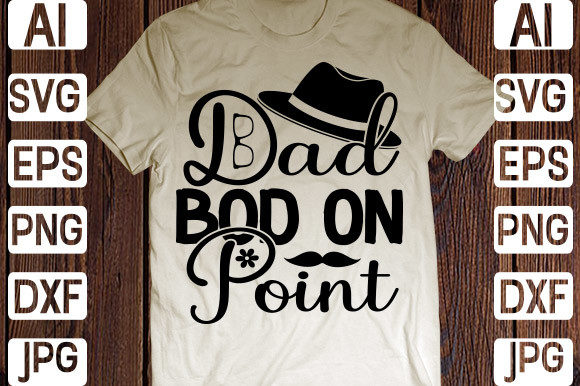
Dad Bod on Point SVG brings a playful, self-aware, and slightly sarcastic tone that fits perfectly into the growing market for humorous adult apparel and gifts. The phrase itself is trendy without being overused, and the visual layout—provided as a word-by-layer SVG—gives you control over how each element sits in the final design. The mood is casual, confident, and relatable. It’s the kind of design that makes people smile and then ask where you bought it.
From a designer’s perspective, the shape is clean and readable. The lettering is bold enough to hold its own in an embroidery hoop, and the layered approach means you can play with thread colors for each word or accent. That’s a huge advantage for anyone who wants to customize the look without rebuilding the file from scratch. The visual personality leans toward young adult and middle-aged audiences, especially dads, dad joke enthusiasts, and anyone who owns a grill and a pair of cargo shorts. It’s targeted, but it’s not niche to the point of being unsellable.
Real-Life Scenario: Stitching a Custom Tote Bag
Last week, I used Dad Bod on Point SVG to create a custom embroidered tote bag for a client’s Father’s Day gift. She wanted something funny but not crude, and this design hit the sweet spot. I hooped a medium-weight cotton tote, used a tear-away stabilizer, and layered the colors according to the word-by-layer structure. The satin stitch on the main letters came out crisp, and the fill stitch on the accent areas gave the design enough weight to feel substantial without being bulky.
The client loved it, but more importantly, the bag held up after a test wash. The stitches stayed tight, the fabric didn’t pucker, and the design remained legible. That’s the kind of result you want when you’re selling handmade products or personalized gifts. If you’re planning to stitch this onto a sweatshirt, apron, or pillow cover, expect similar success as long as you match your stabilizer to the fabric.
How Dad Bod on Point SVG Performs in Real Embroidery Projects
I’ve tested this design on several substrates, and here’s what I’ve found:
- Custom apparel: On a cotton t-shirt, the design sits flat and reads well. Use a medium-weight cutaway stabilizer to prevent distortion on knit fabrics.
- Sweatshirt embroidery: The bold lettering works beautifully on fleece and french terry. Just be careful with the stitch density so the fabric doesn’t get too stiff.
- Tote bags and aprons: These are sweet spots for this design. The sturdy fabric handles the stitch count well, and the humor shines in everyday use.
- Baby clothes and nursery decor: Honestly, this design is not appropriate for baby items unless you’re going for a very specific ironic gift. The humor is adult-oriented, so keep that in mind if you’re an Etsy seller targeting new parents.
- Caps and hats: The word-by-layer layout can work on a cap, but you’ll need to reduce the design size or simplify the layers. Curved surfaces demand extra care with hooping and stabilizer.
- Pillow covers and tea towels: These are excellent applications. The design adds a fun, conversational element to home decor, and the stitching holds up well on linen and cotton blends.
- Patches: If you’re making embroidered patches, this design is a strong candidate. The bold shapes lend themselves to patch construction, and the humor makes them easy to sell at craft fairs.
Where to Use This Design Carefully
No design is perfect for every situation, and Dad Bod on Point SVG has a few limitations that smart embroiderers should plan for:
- Small hoop sizes: If you’re working with a 4x4 hoop, you might need to scale down the design, which could make the smaller lettering or details difficult to read. Test a scaled version on scrap fabric first.
- Textured fabrics: On fleece, bouclé, or heavily textured knits, the fine details in the design can get lost. The bold main letters will still show, but the layered accents may blur.
- Thin or stretchy fabric: Lightweight t-shirts and jersey knits require careful stabilization. Without a good cutaway stabilizer, the design can cause puckering or distortion.
- Dark fabric: The design relies on contrast between layers. If you stitch it on a dark background, make sure your thread colors are light enough to stand out. A white or bright underlay can help.
- Curved surfaces like caps: As mentioned, the layered approach can be tricky on a curved surface. Consider flattening the design slightly or reducing the number of layers.
- Dense stitch areas: Some parts of the design may have higher stitch density than others. This can cause stiffness on soft fabrics. Check the stitch density in your embroidery software and adjust if needed.
- Frequent washing: If the finished product will be washed often, like a kitchen towel or a kid’s sweatshirt, use a high-quality stabilizer and consider adding a backing to protect the stitches.
Visual Appeal, Stitching Clarity, and Product Value
When you stitch Dad Bod on Point SVG, the visual appeal comes from its bold, unapologetic humor. It’s not trying to be subtle, and that’s its strength. The stitching clarity is good because the letterforms are designed with embroidery in mind—they’re thick enough to read from a distance and spaced well enough to avoid thread tangling. The fill stitch areas add texture and depth, making the design feel more premium than a simple single-line text.
From a product value standpoint, this design elevates any item it’s placed on. A plain tote bag becomes a conversation piece. A basic sweatshirt turns into a gift people actually want to wear. For small shop owners and Etsy sellers, that translates to higher perceived value and better customer engagement. Buyers are more likely to leave positive reviews when the design makes them laugh and the stitching holds up.
In terms of brand consistency, this design is flexible. It works for a boutique that sells funny dad-themed merchandise, a craft business that offers personalized gifts, or a digital product seller who includes it in a bundle of Print Templates. As a Graphics asset, it’s versatile enough to be used in printable mockups, social media posts, and product previews before you even stitch it.
Practical Embroidery Designer Notes
Before you stitch Dad Bod on Point SVG onto a final product, here are the steps I recommend every embroiderer take:
- Test on scrap fabric first. Always, always test. Use the same fabric type you plan to use for the final product. This is non-negotiable if you’re selling finished items.
- Check thread color contrast. The word-by-layer structure gives you the opportunity to use contrasting colors for each layer. Try a few combinations in your software before committing.
- Review stitch density. Open the file in your embroidery software and check the stitch count and density. If any area seems too dense, adjust the underlay or reduce the stitch angle.
- Confirm hoop size. This design may require a larger hoop depending on the scale you want. Test it at the size you intend to use before you cut fabric.
- Inspect small details. If the design includes any thin lines or small accents, make sure they’re wide enough to stitch cleanly. Thin details can break or disappear on textured fabrics.
- Test in black and white mockups. Before you commit to thread colors, look at the design in grayscale. This helps you see which areas carry the visual weight and which might get lost.
- Compare light and dark fabric backgrounds. The same design can look completely different on a white shirt versus a black one. Test both if you plan to offer options.
- Use proper stabilizer. For most applications, a medium-weight cutaway stabilizer is your best bet. For stretchy fabrics, use a no-stretch or mesh stabilizer.
- Check licensing for commercial use. Since this is a digital download, confirm whether you’re allowed to sell finished products made from the design. Some SVG files include commercial licenses, others don’t. Always verify before selling.
- Test the design in your embroidery machine. Even if the file is formatted correctly, every machine handles stitch data a little differently. Run a test stitch-out to catch any issues before you start production.
Final Thoughts on Using Dad Bod on Point SVG in Your Business
Dad Bod on Point SVG is a solid, crowd-pleasing design that works well for a range of embroidery projects. It’s humorous without being offensive, bold without being ugly, and versatile enough to fit into both personal and commercial workflows. Whether you’re stitching a one-off gift for a friend or producing a batch of tote bags for a craft fair, this design delivers on the promise of a good laugh and a clean finish.
Just remember that the word-by-layer structure gives you creative control, but it also requires you to think about thread colors, layer order, and fabric compatibility. Take the time to test, adjust, and plan your project before you hit start. The design will reward you with a finished product that looks professional and sells itself.
If you’re an Etsy seller, a small shop owner, or a hobbyist who loves making handmade products, this is a design worth adding to your library. It’s the kind of design that customers remember, share, and come back for. And in this business, that’s exactly what you want.