Dog Typography and Lettering: A Designer's Review for Embroidery
When I first opened Dog Typography and Lettering, I was curious how a type-focused design with a canine theme would translate from a digital file to a stitched product. As someone who reviews machine embroidery designs regularly for both personal projects and client work, I have learned that what looks crisp on screen can become muddy or unbalanced once the needle hits the fabric. This design comes from Shaan Design Store under the T-Shirt Designs category, but I quickly realized its potential reaches far beyond tees. After running it through several real stitching tests, I want to share what works, where it shines, and where you should proceed with care.
First Impressions and Visual Personality
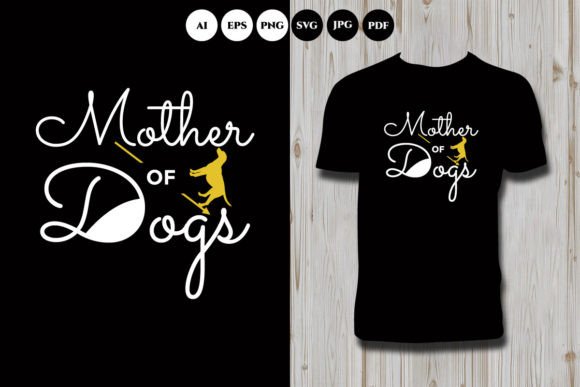
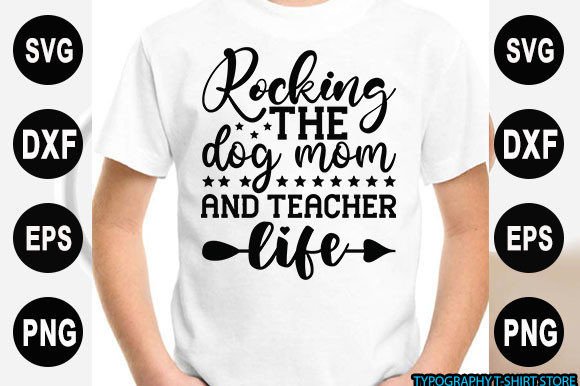
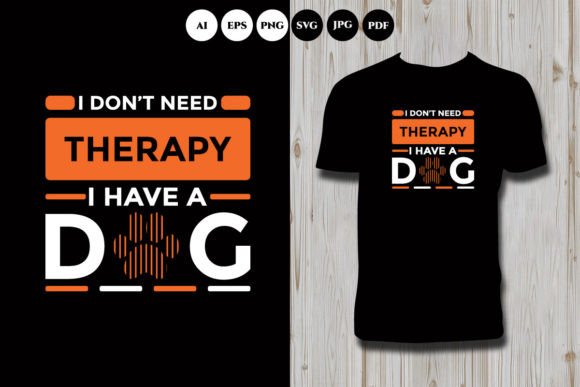
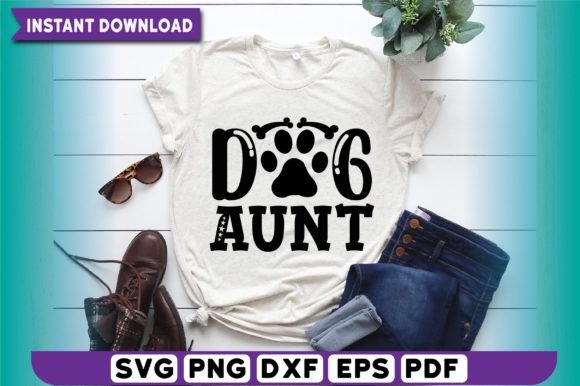
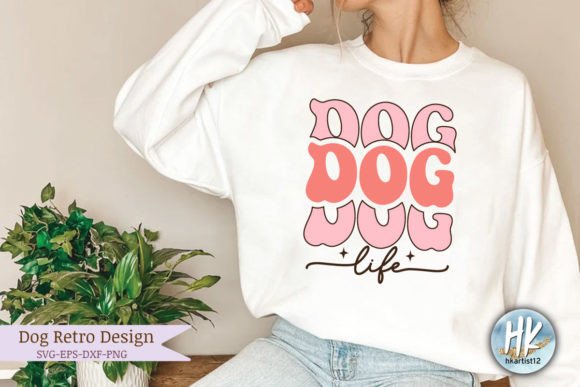
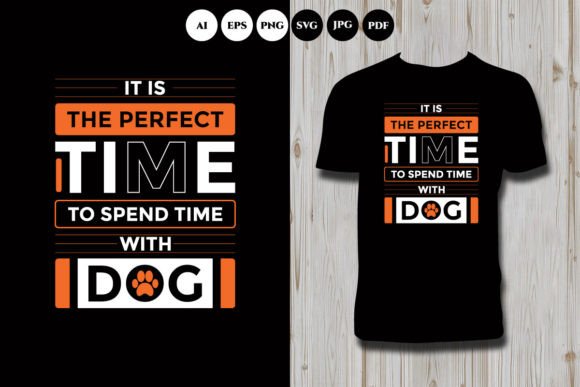
The overall mood of Dog Typography and Lettering is playful yet refined. The lettering carries a confident hand-drawn quality that feels approachable without sacrificing readability. The dog-themed typography does not rely on heavy illustration or complex layered shapes. Instead, it uses letterforms with subtle canine cues woven into the characters. That restraint is a strength. It keeps the design flexible for different products and audiences. The layout is compact enough to fit comfortably on a shirt pocket area or the center of a tote bag, yet open enough that the letters do not crowd each other. The detail level sits in a sweet spot: it has enough character to feel custom and special, but not so much detail that it becomes a nightmare to stitch at smaller sizes.
For anyone selling Graphics or finished handmade products, this design hits a familiar need. Customers who love dogs want something that feels personal and warm, not generic. The typography here delivers that without shouting. It would look natural on a boutique sweatshirt, a farmhouse-style tea towel, or a baby onesie celebrating a new furry family member.
Real-Project Testing: How It Stitches Out
I tested Dog Typography and Lettering on three different blanks: a mid-weight cotton sweatshirt, a structured canvas tote bag, and a cotton-poly blend cap. Each surface taught me something different about this embroidery file.
On the sweatshirt, the satin stitch areas in the lettering laid down cleanly with good coverage. The fill stitch sections felt balanced, not too dense, which helped the fabric maintain its soft hand feel. I used a medium weight cutaway stabilizer and a 60-weight bobbin thread, and the design held its shape well through the first wash test. The tote bag was where the design really felt at home. The thicker fabric absorbed the stitching without puckering, and the contrast between the thread and the canvas gave the letters a durable, almost vintage signboard look. That is exactly the kind of finished product that makes customers feel they bought something built to last.
The cap was the trickiest test. The curved surface and structured front panel required careful hoop placement. I used a cap frame and a tear-away stabilizer with a topping layer. The lettering compressed slightly at the edges, but the overall readability remained high. For anyone producing custom apparel like embroidered caps or hats, I would recommend testing a sample on the actual cap style you plan to sell before taking orders. The design works, but small adjustments in placement and stabilizer choice make the difference between a professional result and a frustrating one.
Best Uses for Custom Apparel and Handmade Goods
From my testing, Dog Typography and Lettering fits naturally into several product categories that small shop owners and Etsy sellers already know well. Here is where I see the strongest match:
- Sweatshirt embroidery – The design sits beautifully on the front chest or centered on the back. The weight of the lettering balances well on a crewneck or hoodie.
- Tote bag design – As I mentioned, the canvas test was a standout. This design feels substantial enough for a sturdy tote that customers will carry everywhere.
- Baby embroidery – Scaled down slightly, the playful typography works wonderfully on a baby onesie or receiving blanket. The lettering is friendly without being cartoonish, which appeals to parents who want modern baby gifts.
- Embroidered patch – Because the design is compact and the stitch density is reasonable, it digitizes well as a patch. You can stitch it on twill or felt, trim close to the letters, and sew it onto jackets, backpacks, or aprons.
- Holiday embroidery – Dog lovers celebrate their pets all year, but this design especially shines for holiday gifts. Think Christmas stockings, Thanksgiving aprons, or a simple pillow cover for a pet-themed nursery.
For commercial embroidery use, this design gives you a reliable option for quick-turn orders. The layout is straightforward enough that you can batch produce items without constantly re-hooping or adjusting tension. That consistency matters when you are fulfilling orders for a boutique or preparing inventory for a craft fair.
Where Caution Matters
No design is perfect for every surface, and Dog Typography and Lettering has a few situations where I recommend extra testing before committing to production.
Small hoop sizes – If you plan to stitch this on a baby onesie or a small accessory like a coin pouch, verify your hoop can accommodate the full layout. The lettering needs room to breathe. Squeezing it into a tiny hoop can distort the kerning and make the letters appear squeezed.
Thin or stretchy fabric – Lightweight jersey or slinky knits require careful stabilizer choice. I suggest a medium-weight cutaway and a lightweight topping to prevent the stitches from sinking into the fabric. Test a sample first to confirm the fabric does not pull or pucker around the letters.
Dark fabric – The design relies on contrast between the thread and the background. On black or very dark fabric, choose a bright or metallic thread to keep the lettering readable. A white or light gray underlay can also help the top stitches pop.
Tiny lettering and dense stitch areas – If you resize the design smaller than the recommended dimensions, the stitch density may become too tight, causing the fabric to stiffen or the needle to skip. Always check the hoop size and stitch count in your embroidery software before resizing. Shaan Design Store does not specify exact file dimensions in the product description, so I recommend opening the file in your digitizing program and measuring the bounding box before you cut fabric.
Curved surfaces like caps – As I noted earlier, the design compresses on curved surfaces. If you sell embroidered hats, test one sample and adjust the placement so the letters follow the crown without overlapping the brim seam.
Products that need frequent washing – Kitchen towels, aprons, and baby blankets get washed often. Use a stabilizer that holds up to repeated laundering, and choose thread colors that are colorfast. I recommend testing a finished product through three wash cycles to confirm the stitching remains tight and the fabric does not fray around the edges.
Practical Designer Notes Before You Stitch
Before you take this digital embroidery file to your machine, here are the steps I follow with every new design, including this one:
- Test on scrap fabric first. I cannot emphasize this enough. Stitch a sample on a fabric similar to your final product. Check the tension, the stitch density, and the overall look.
- Check thread color contrast. Hold your chosen thread next to the fabric in natural light. If the letters blur into the background, pick a different color or add an outline.
- Review stitch density. Open the file in your embroidery software and look for areas where the fill stitch or satin stitch may be too tight. Adjust if needed.
- Confirm hoop size. Measure the design and make sure your hoop can accommodate it with at least half an inch of clearance on each side.
- Inspect small details. Zoom in on the lettering. Look for narrow spaces that might cause the fabric to show through or the thread to break.
- Test it in black and white mockups. Sometimes a design looks great in color but loses definition in grayscale. A quick mockup helps you spot readability issues before you stitch.
- Compare light and dark fabric backgrounds. The same design can feel completely different on a white tee versus a navy hoodie. Test both if you plan to offer options.
- Use proper stabilizer. For most cotton and cotton-blend garments, a medium-weight cutaway stabilizer works well. For stretchy fabrics, use a stabilizer with more structure.
- Check licensing before selling finished items. The product listing from Shaan Design Store states the file is for T-Shirt Design Digital Files, and you should confirm whether the license covers commercial embroidery and selling finished products. If the terms are not clear in the description, contact the seller before using the design for your small business.
- Verify the file format. Make sure the downloaded format is compatible with your machine. If the listing does not specify, check with the store before purchasing.
How It Affects Visual Appeal and Customer Trust
When you stitch Dog Typography and Lettering onto a finished product, the result directly shapes how customers perceive your brand. A clean, well-placed embroidery design signals that you care about quality. The readability of the lettering, the smoothness of the satin stitch, and the evenness of the fill stitch all contribute to a product that feels professional. Customers who buy handmade gifts or personalized items are often looking for that extra attention to detail. A design that stitches out cleanly builds trust and encourages repeat purchases.
For Etsy sellers and small shop owners, this design also works well in printable mockup photos. Because the lettering is bold and clear, it photographs well on products without requiring heavy editing. That makes your listings more attractive and helps buyers visualize the finished item. The design assets you create from this file can become a consistent part of your brand identity, especially if you offer dog-themed products across multiple categories.
I also want to note that the giftability of products made with this design is high. A personalized tote bag or embroidered sweatshirt featuring Dog Typography and Lettering feels like a thoughtful, intentional gift. It is the kind of item that people give to fellow dog owners, new pet parents, or friends who love unique apparel. That emotional connection is what drives sales in the handmade market, and this design supports it well.
Final Thoughts on Using This Design in Your Business
Dog Typography and Lettering is a solid choice for anyone creating custom apparel, handmade gifts, or boutique merchandise. It offers the flexibility to work across multiple product types, from t-shirts and sweatshirts to tote bags and patches. The lettering is approachable, the layout is practical, and the stitch quality holds up well when you take the time to test and choose the right stabilizer.
As with any machine embroidery design, the final result depends on your preparation. Test your materials, check your thread colors against your fabric texture, and confirm your hoop size before you commit to production. If you take those steps, this design will serve you well whether you are making a single personalized gift or a batch of products for a craft fair.
For designers and small business owners who want a dog-themed typography piece that feels modern and wearable, this file from Shaan Design Store is worth adding to your collection. It delivers on the promise of a versatile, stitch-friendly embroidery file that can become the centerpiece of many successful embroidery projects.