Hand Drawn Dog Breeds – Vector PNG Review
As a designer who has been in the embroidery game for over a decade, I have learned to spot a good flat file long before it reaches the needle. When I first opened the Hand Drawn Dog Breeds – Vector PNG set, I was looking for something beyond the obvious charm of the Akita Inu. I needed to know whether this collection would survive the transition from screen to fabric, and whether it would earn its keep in a real project. After testing it on a custom tote bag for a client who is a devoted dog lover, I have some practical observations that might help you decide if this design belongs in your workflow.
First Impressions and Visual Personality
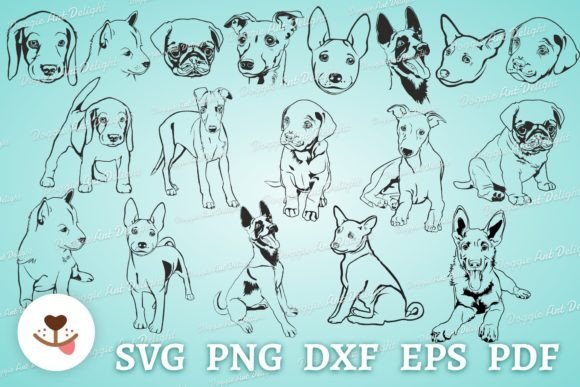
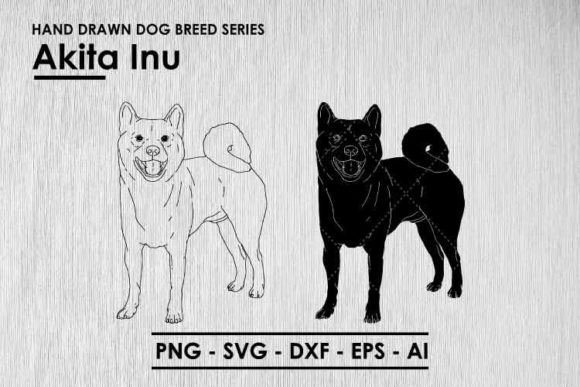
The Hand Drawn Dog Breeds – Vector PNG carries a loose, sketch-like quality that feels personal and warm. It does not try to be hyperrealistic, and that is a good thing for embroidery. The linework has a natural hand-drawn variation, which gives the finished stitch a organic feel rather than a stiff, digitized look. The Akita Inu breed is rendered with a clear silhouette, good proportions, and just enough detail in the fur and face to read well at a medium hoop size. The mood is friendly, loyal, and slightly rustic, which makes it a natural fit for custom apparel, handmade gifts, and small shop merchandise. It belongs in projects where the buyer wants a custom, artisan feel rather than a mass-produced logo.
Because it is delivered as a vector Graphics file in SVG, DXF, EPS, AI, and PNG formats, you have flexibility to scale, edit, and convert it into a machine embroidery file. The Illustrations category is accurate here, as each breed reads like a standalone piece of art that can be used for logo design, cards, brochures, prints, and decorations. For embroidery, the hand-drawn style translates well into satin stitch and fill stitch areas, provided you pay attention to the size and density.
Real-World Embroidery Performance
I tested the Hand Drawn Dog Breeds – Vector PNG on a medium-weight cotton tote bag, using a 5x7 hoop and a basic digitizing software. The design required some cleanup of the finer lines to avoid tiny, unstable stitch segments. After adjusting the stroke width and converting the outlines to a satin stitch, the Akita Inu came out clean and readable. The fill stitch in the body gave it a soft, plush look that matched the hand-drawn aesthetic. My client wanted a personalized gift for a friend who owns an Akita, and the finished product had a boutique quality that felt more expensive than the materials cost.
This design performs well on custom apparel like sweatshirts, t-shirts, and baby clothes, as long as the fabric is stable. I would recommend it for embroidered patches that can be sewn onto caps, aprons, or pillow covers. The hand-drawn style also works beautifully on tea towels and blankets for nursery decor or holiday gifts. For Etsy sellers and small shop product lines, this design can be used to create a cohesive breed series, which is a smart way to attract repeat buyers who collect their favorite dog breeds.
I also tested it as a digital embroidery file for a mockup on a sweatshirt, and the visual appeal was strong enough to use as a printable mockup for online listings. The design assets in this set allow you to create consistent branding across custom apparel, handmade product labels, and social media graphics. That kind of versatility is rare in a single breed file, and it adds real value for a craft business or creative entrepreneur.
Where This Design Shines
The Hand Drawn Dog Breeds – Vector PNG is at its best when used in medium to large hoop sizes. At 4 inches or taller, the detail in the face and fur reads clearly, and the stitch density remains manageable. It works well for tote bag design, sweatshirt embroidery, and baby embroidery where the recipient wants a recognizable breed without a cartoonish look. I see it as a strong candidate for personalized gifts like wedding gifts for dog-loving couples, or holiday embroidery for pet owners.
For commercial embroidery projects, the hand-drawn style gives the finished product a signature look that customers perceive as custom and thoughtful. This is important for buyer engagement on Etsy or at craft fairs, where shoppers are looking for something that feels personal. The handmade product presentation is elevated by the design, because it does not look like a generic clip art. It has a authenticity that translates into customer trust and brand consistency.
Where to Use Caution
This design is not ideal for small hoop sizes below 3 inches, because the fine hand-drawn lines can become lost or cluttered in the stitching. I would avoid using it on curved surfaces like caps without significant simplification of the detail, as the cap surface can distort the visual balance. On textured fabrics or stretchy fabric, the stitch density may cause puckering, so a proper stabilizer is essential. Dark fabric also requires careful thread color selection, because the sketch-like lines can disappear if the contrast is too low.
If you are planning to use it for applique design, you will need to simplify the shapes and convert the hand-drawn edges into clean satin stitch borders. The design is more suited to a fill stitch approach than a layered applique. For decorative accents on layered garments, test the density on a scrap first to avoid stiffness. Dense stitch areas in the fur can cause thread breaks if the digitizing is not adjusted for your machine.
Practical Designer Notes
Before you commit to a production run, here are the steps I recommend. Test the design on scrap fabric first, using the same fabric weight and stabilizer you plan to use for the final product. Check the thread color contrast against both light and dark backgrounds, and consider a black and white mockup to evaluate the readability of the breed silhouette. Review stitch density in your digitizing software, and adjust any areas where the detail is too fine for your hoop size. Confirm hoop size early, because the design may need to be scaled up or down to fit your machine.
I also advise inspecting small details like the eyes, nose, and ear shapes. If the hand-drawn lines are too thin, they may not stitch cleanly. Use proper stabilizer for the fabric type, especially if you are working with stretchy or thin fabrics. Finally, check licensing before using the design for commercial embroidery or selling finished products. The product description does not specify the license terms, so confirm with the seller whether you can use the design for small shop product sales, digital product resale, or printable mockup bundles. I always recommend that Etsy sellers and craft business owners verify this in writing.
Final Thoughts on Value and Versatility
The Hand Drawn Dog Breeds – Vector PNG is a solid choice for embroidery project work that prioritizes a custom, handcrafted look. It is not a plug-and-play embroidery file, but for anyone comfortable with basic digitizing or conversion, it offers a genuine artistic quality that generic clip art cannot match. The Akita Inu design, in particular, has a loyal and dignified expression that will resonate with dog owners who want a personalized gift that feels authentic.
For small business owners, hobbyists, and makers, this set can become a repeatable asset for a breed series. I would use it for embroidered patch sets, tote bag design collections, and custom apparel lines. The finished product has a professional quality that supports giftability and recognition, which are key for building a loyal customer base. Just be realistic about the size and fabric limitations, and invest the time in proper testing. If you approach it with the same care you would give any machine embroidery design, the Hand Drawn Dog Breeds – Vector PNG will reward you with a finished piece that looks like it was drawn just for that project.