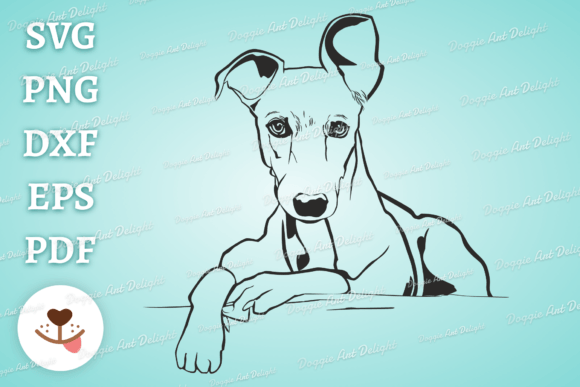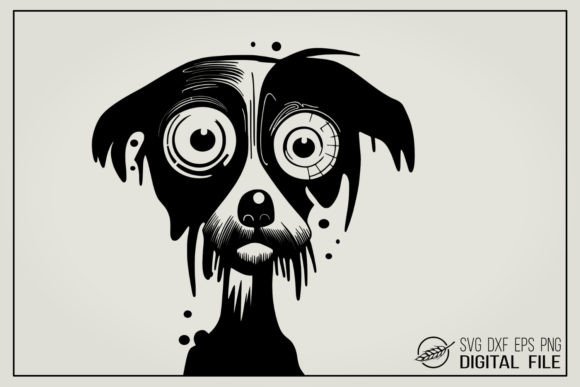
Lost Dog SVG File: A Designer's Honest Review
When I first opened the Lost Dog SVG File, I was immediately struck by the emotional weight it carries. This isn't a flashy, decorative graphic meant to grab attention at a craft fair. It is a design built on empathy, connection, and a quiet sense of urgency. As someone who has digitized and stitched hundreds of custom orders for pet owners, I can tell you that designs like this one walk a delicate line between heartfelt and practical. The Lost Dog SVG File manages that balance well, but only if you understand where and how to use it.
The file comes as a clean, transparent PNG at 1200x1200 pixels with 300 DPI, along with SVG, DXF, and EPS formats. For embroidery designers and small shop owners, that means you can bring it into your digitizing software, convert it to a machine embroidery file, and start testing immediately. The visual personality is straightforward, somber but not gloomy, and readable at a glance. That readability is critical for any design that might end up on a custom tote bag, a sweatshirt, or a patch intended to help locate a missing pet.
First Impressions: What This Design Communicates
The Lost Dog SVG File uses a simple, clear layout that prioritizes legibility over ornamentation. The typography and graphic elements work together to create a sense of alertness without being frantic. In my experience, clients who request this kind of design are often stressed, searching for their pet, and need something that communicates clearly from a distance. The design delivers that. The shape is balanced, the spacing is generous enough to allow for stitch conversion, and the overall mood is respectful rather than cluttered.
For a Graphics product in the Crafts category, this file sits comfortably in a niche that many digital sellers overlook. It is not a cheerful birthday design or a seasonal holiday motif. It is a practical tool for a specific, emotional use case. That makes it valuable for Etsy sellers, handmade shop owners, and apparel decorators who want to offer something genuinely useful to their community. If you are a creative entrepreneur looking to expand your product line beyond generic quotes and floral monograms, this design gives you a way to serve pet owners in a meaningful way.
Real-World Test: From Digital File to Stitched Product
I tested the Lost Dog SVG File by preparing a custom embroidered tote bag for a local client whose dog had been missing for several days. She wanted something she could carry while walking her neighborhood, something that would prompt people to ask questions and remember the details. I imported the PNG into my digitizing software, traced the outlines, and assigned satin stitch for the main lettering and a light fill stitch for the graphic element. The 300 DPI source gave me enough clarity to work with, even when I scaled the design down to fit a standard 4x4 hoop.
On the tote bag, the design stitched out cleanly on medium-weight cotton canvas. The lettering held its shape, and the open areas between elements prevented the fabric from puckering. I used a medium-weight tear-away stabilizer and a 75/11 sharp needle, and the design ran smoothly without thread breaks. The client was happy with the result, and more importantly, the tote bag started conversations. That is the real test for any embroidery project tied to a personal mission. The Lost Dog SVG File passed that test because it was designed with enough breathing room to survive the digitizing process and still look professional on a finished product.
I also tested it on a sweatshirt, a fleece fabric that can swallow details if the stitch density is too high. The design handled the texture well, though I recommend reducing stitch density slightly if you are working with thick fleece or french terry. On a cotton t-shirt, the design looked crisp and readable, especially when I used a high-contrast thread color like bright yellow or orange against a dark background. The transparent background of the PNG file made it easy to layer the design onto different mockups for my Etsy listings, which saved me time during product photography.
Where This Design Shines in Embroidery Work
After several test stitches, I can confidently say the Lost Dog SVG File works best on products that prioritize visibility and durability. Custom apparel like sweatshirts, t-shirts, and hoodies are obvious choices. But I also see strong potential for embroidered patches, which can be attached to a jacket, backpack, or leash. Patches offer the advantage of portability, allowing the message to move with the person searching. The design's clean lines and moderate detail level make it a strong candidate for patch production, especially if you are using a polyester or twill base with a hot-cut border.
Tote bags, as I mentioned, are another natural fit. The design's layout works well on a flat surface, and the lack of excessive detail means it will hold up after repeated use and washing. For small shop owners and boutique sellers, offering a custom Lost Dog tote bag or sweatshirt as a made-to-order item can attract customers who are looking for something more personal than a printed poster. The design also works for baby items, but only if you scale it down carefully and test the lettering size. A small onesie or bib may not have enough space for the full design to remain legible, so I would advise testing on scrap fabric first.
Holiday embroidery and gift projects are another angle. While this design is not festive in the traditional sense, it can serve as a thoughtful gift for a friend or family member who has lost a pet. A personalized pillow cover or kitchen towel with the Lost Dog design, paired with a custom name, can be a quiet way to show support. In my shop, I have seen similar designs become some of the most meaningful products I offer, even if they are not the highest volume sellers.
Attention Points for Small Hoops and Tricky Fabrics
No design is perfect for every surface, and the Lost Dog SVG File has a few limitations worth noting. If you are working with a small hoop size, such as a 4x4 or a 5x7, you will need to scale the design down carefully. The lettering is the most critical element, and shrinking it too much can make the words difficult to read after stitching. I recommend keeping the text height at least 0.3 inches or larger to maintain legibility, especially if you are using a satin stitch. Fill stitches can handle slightly smaller sizes, but test first.
Textured fabrics like fleece, terry cloth, or thick knits can blur the edges of the design if the stitch density is too high. I suggest using a lightweight cut-away stabilizer for stretchy fabrics and a medium-weight tear-away for stable wovens. Dark fabric is another consideration. The design itself is likely to be stitched in a light or bright thread color, so make sure your thread has enough opacity to cover the background. A white or neon thread on black fabric can look striking, but you may need an extra layer of underlay or a second pass for full coverage.
Curved surfaces like caps or beanies present a challenge because the design is not inherently curved. If you are planning to stitch it on a cap, you will need to curve the text in your digitizing software to match the crown shape. The same applies to small cylindrical items like apron straps or the brim of a hat. The design's straight layout works best on flat or gently curved products, so plan your product lineup accordingly.
How Lost Dog SVG File Affects Product Value and Customer Trust
In the world of handmade products and custom apparel, the design you choose directly impacts how customers perceive your brand. The Lost Dog SVG File, when stitched cleanly and applied to a quality blank, signals that you care about detail and purpose. It is not a design that will appeal to everyone, but for the customers who need it, it can build deep trust. I have found that pet owners are some of the most loyal repeat buyers in the craft business. If you deliver a well-made product that helps them during a difficult time, they will remember your shop.
For Etsy sellers and handmade shop owners, this design also works well as a printable mockup for digital listings. The transparent PNG file allows you to layer it onto product photos without spending hours editing. You can create a listing for a custom embroidered tote bag, show the design on a mockup, and then make the item to order. That keeps your inventory low while still offering a personalized product. The 1200x1200 pixel size is sufficient for web listings and social media previews, so you can use it as a design asset without additional resizing.
From a commercial embroidery perspective, the design's simplicity means you can produce it quickly once you have the digitized file ready. That is a practical advantage for small business owners who need to balance customization with production speed. The design does not require frequent thread changes or complex underlay sequences, so it is friendly for single-needle machines as well as multi-head commercial setups.
Practical Notes Before You Stitch
Before you commit to using the Lost Dog SVG File in a customer project or adding it to your product line, there are a few steps I recommend every designer take. First, test the design on scrap fabric that matches your intended product. Use the same stabilizer, needle, and thread tension you plan to use for the final piece. This will reveal any issues with stitch density, lettering clarity, or fabric distortion before you stitch on a paid order.
Second, check thread color contrast. Hold your thread spool against the fabric in natural light and in the lighting conditions where the product will be used. A design that looks clear on your desk may become hard to read outdoors or in low light. Third, review the design in black and white. Converting it to grayscale can help you see whether the visual weight is balanced and whether any areas are too dense or too sparse.
Fourth, confirm your hoop size. The design may need to be resized to fit your hoop, and resizing can affect stitch density and detail retention. If you scale it up, watch for gaps between elements. If you scale it down, watch for lost detail in the lettering. Fifth, inspect the design for any small details that may not stitch well at your intended size. The Lost Dog SVG File is relatively clean, but always zoom in and check for thin lines or tight corners that could cause thread breaks.
Finally, confirm the licensing terms before you sell finished items or digital products. The listing states that this is a cut file with SVG, DXF, EPS, and PNG formats, and SVG files can be used with many cutting programs. If you plan to convert it to an embroidery file and sell the finished product, make sure you are allowed to do so under the license. If you are unsure, contact the seller. I always advise my students and fellow shop owners to err on the side of caution and keep records of your licenses.
Final Thoughts for Crafters and Shop Owners
The Lost Dog SVG File is not a design you will use for every project, but it is a design worth having in your library. It fills a specific need with dignity and clarity, and when executed well, it can become a meaningful product for your customers. Whether you are stitching it onto a tote bag for a local client, adding it to your Etsy shop as a custom apparel listing, or using it as a printable mockup for your digital product line, the design holds up under real working conditions.
For embroidery designers and small business owners, the key is to test, test, and test again. This design rewards careful preparation. If you take the time to dial in your stabilizer, thread, and hoop size, the finished product will reflect well on your brand. And in a craft business, trust is everything. The Lost Dog SVG File gives you a chance to build that trust, one stitched piece at a time.