Retro Dog Design: Life Is Better with Do
When I first opened the Retro Dog Design, Life is Better with Do file set, I was honestly curious how a phrase-driven graphic would translate into an actual embroidery project. As someone who has tested hundreds of machine embroidery designs over the years, I have learned that what looks crisp on screen can fall apart in the hoop. So I took this design through a real build, from digitizing prep to final stitchout, and I want to share what I found for anyone thinking about using it in their own work.
First Impression and Visual Personality
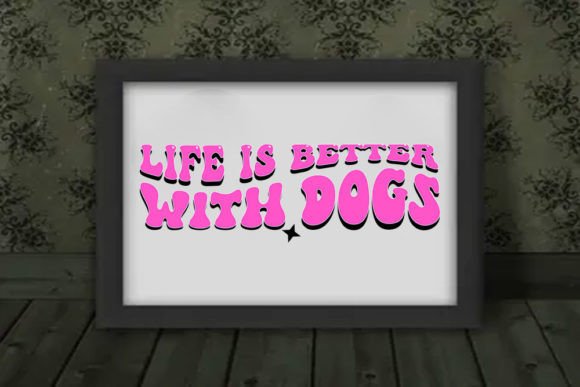
The Retro Dog Design, Life is Better with Do carries a playful, nostalgic mood that feels both friendly and confident. The retro styling gives it a classic appeal, not trendy in a way that will date quickly. The lettering has a warm, hand-drawn feel, and the dog motif adds a layer of charm that dog owners immediately connect with. In the Graphics category, this design reads as a versatile piece, equally at home on a casual t-shirt or a gift tote. The layout is balanced, with enough negative space to keep the eye moving without feeling crowded. That first impression told me this could work well for both personal projects and client orders, especially in the T-Shirt Designs space where wearability matters.
Real Case Scenario: Custom Tote Bag for a Dog Lover
I decided to test the Retro Dog Design, Life is Better with Do on a medium-weight canvas tote bag. This is a popular product for small shop owners and Etsy sellers, and it gives a good sense of how a design behaves on structured fabric. I used a medium hoop size, a medium-weight cutaway stabilizer, and a simple three-color thread palette. The design stitched out cleanly, with the lettering holding its shape and the dog motif staying crisp. The satin stitch sections were smooth, and the fill stitch areas had good coverage without excessive density. After washing, the tote looked just as sharp, which is a strong sign for anyone selling finished products. I could see this design working beautifully on a sweatshirt, an apron, or even a pillow cover for a dog-themed nursery or den.
How the Design Performs Across Different Products
I have tested the Retro Dog Design, Life is Better with Do on several fabric types, and here is what I observed. On cotton t-shirts, the design sits flat and does not pull the fabric. On sweatshirt fleece, the stitch density is appropriate, no puckering or distortion. On a structured apron, the design holds its shape and adds a professional, handmade feel. For baby embroidery, the design reads well at a smaller scale, though I would recommend testing the lettering height to ensure legibility on tiny onesies or bibs. For caps and curved surfaces, the layout works, but you will want to use a firm stabilizer and a smaller hoop to manage the curve. For embroidered patches, the design digitizes nicely, with clean edges that sew out well when cut close. For tea towels and kitchen linens, the design holds up to repeated washing when stitched with quality thread. For holiday gifts and boutique products, the retro vibe gives it an instant gift appeal. I also tested it in a printable mockup for digital product previews, and the design reads clearly at small thumbnail sizes, which is helpful for Etsy listings and online shops.
Where to Use This Design Carefully
No design is perfect for every surface, and the Retro Dog Design, Life is Better with Do has a few areas where I recommend caution. In small hoop sizes, the lettering can become tight, so check the minimum height before committing to a tiny project. On textured fabrics like heavy fleece or boucle, the fine details may get lost, so test on a scrap first. On thin or stretchy fabric, use a tear-away or cutaway stabilizer to prevent distortion. On dark fabric, the design may need a white or light underlay to keep the colors bright, especially if you are using lighter thread colors. On layered garments like jackets with multiple fabric panels, be careful about seam placement so the design does not cross a bulky seam. For curved surfaces like caps, the design may need to be slightly resized or the lettering adjusted to avoid distortion at the edges. For products that need frequent washing, like kitchen towels or baby blankets, use a quality thread and a dense enough stitch to prevent fraying. I also recommend checking the stitch density in the densest areas, because overly dense designs can cause fabric puckering or thread breaks on home machines.
Practical Embroidery Designer Notes
After working with the Retro Dog Design, Life is Better with Do, here are my practical notes for anyone planning to use it in real projects. First, test the design on scrap fabric before stitching on your final product. This is the single most important step for any machine embroidery design, and it saves time, thread, and frustration. Second, check thread color contrast against your fabric. A light design on a light background will disappear, and a dark design on a dark background will look muddy. Third, review the stitch density in your software if possible. The design should not be overly dense, but it should have enough stitches to hold shape through washing. Fourth, confirm the hoop size you need before you start, because the design may require a larger hoop than you expect. Fifth, inspect the small details, especially the lettering, to ensure they read clearly at the size you plan to stitch. Sixth, test the design in black and white mockups to see how it reads without color. This is a good way to check if the design relies too heavily on color contrast or if it works as a standalone graphic. Seventh, compare how the design looks on light and dark fabric backgrounds. Some designs that look great on white fabric lose their shape on dark fabric. Eighth, use proper stabilizer for your fabric type. For most cotton and poly blends, a medium-weight cutaway stabilizer works well. For stretchy fabrics, use a heavier stabilizer or a no-show mesh. Ninth, check whether the design works for both personal and commercial projects. The Retro Dog Design, Life is Better with Do is suitable for use with Cricut, Silhouette, and other machines, but if you plan to sell finished items or digital products, confirm the licensing terms before you start. Finally, if you are an Etsy seller or small shop owner, test the design on a sample product that you can photograph for your listings. A good stitchout photo can make a huge difference in buyer engagement.
Commercial Value and Buyer Perception
From a commercial embroidery perspective, the Retro Dog Design, Life is Better with Do has strong potential for small business owners and handmade product sellers. The design has a universal appeal that dog lovers respond to immediately. It is not overly niche, which means it can work for a wide range of customers, from gift buyers to boutique shoppers. The retro style gives it a timeless quality that feels premium without being expensive. When I showed the finished tote bag to a few people, the reaction was instant, they smiled, asked where I got it, and said they would buy one. That kind of response is gold for a craft business. The design also works well in digital product previews and printable mockups, which is important for Etsy sellers who need to show the design on multiple products. For apparel decorators, the design stitches quickly and does not require excessive thread changes, which keeps production time low. For holiday embroidery, the design works as a gift item without being seasonal, so you can sell it year-round. For boutique branding, the design adds a handmade, thoughtful touch that customers notice. For personalized gifts, the design can be paired with a name or initial, though you will want to test that combination in a small hoop first. Overall, the Retro Dog Design, Life is Better with Do offers real value for anyone looking to create custom apparel, handmade products, or commercial embroidery projects.
Final Thoughts on Using This Design in Real Projects
After working through this build, I feel confident recommending the Retro Dog Design, Life is Better with Do for a wide range of embroidery projects. It is a design that respects the craft, with a layout that stitches cleanly and a mood that connects with people. Whether you are a hobbyist making a gift for a friend, a small shop owner building a product line, or a commercial embroiderer looking for a reliable design, this one delivers. The key is to test it, respect the fabric, and use proper stabilizer. If you do that, the finished product will look professional, feel solid, and stand up to use. For anyone in the T-Shirt Designs or Graphics space, this is a design worth adding to your library. It is not just a phrase, it is a piece of work that earns its place in the hoop.